Halfway through 2026, a series of disruptions across global supply chains has once again underscored the need for procurement to evolve beyond a purely operational function. Geopolitical tensions continue to drive uncertainty and rapid shifts in cost structures, exposing the vulnerabilities of today’s highly interconnected and dependency-driven global environment.
At the same time, ESG expectations have moved to become a business imperative. Sustainability, resilience, and ethical sourcing must now be fully embedded into category decision-making. In parallel, ongoing innovation, from digital tools to new operating models, is continuously reshaping how procurement organizations create and deliver value.
While these developments are not unique to 2026 and have been building steadily over the past decade, recent events serve as a strong reminder: in an increasingly volatile and complex environment, a robust and forward-looking category strategy is more important than ever.
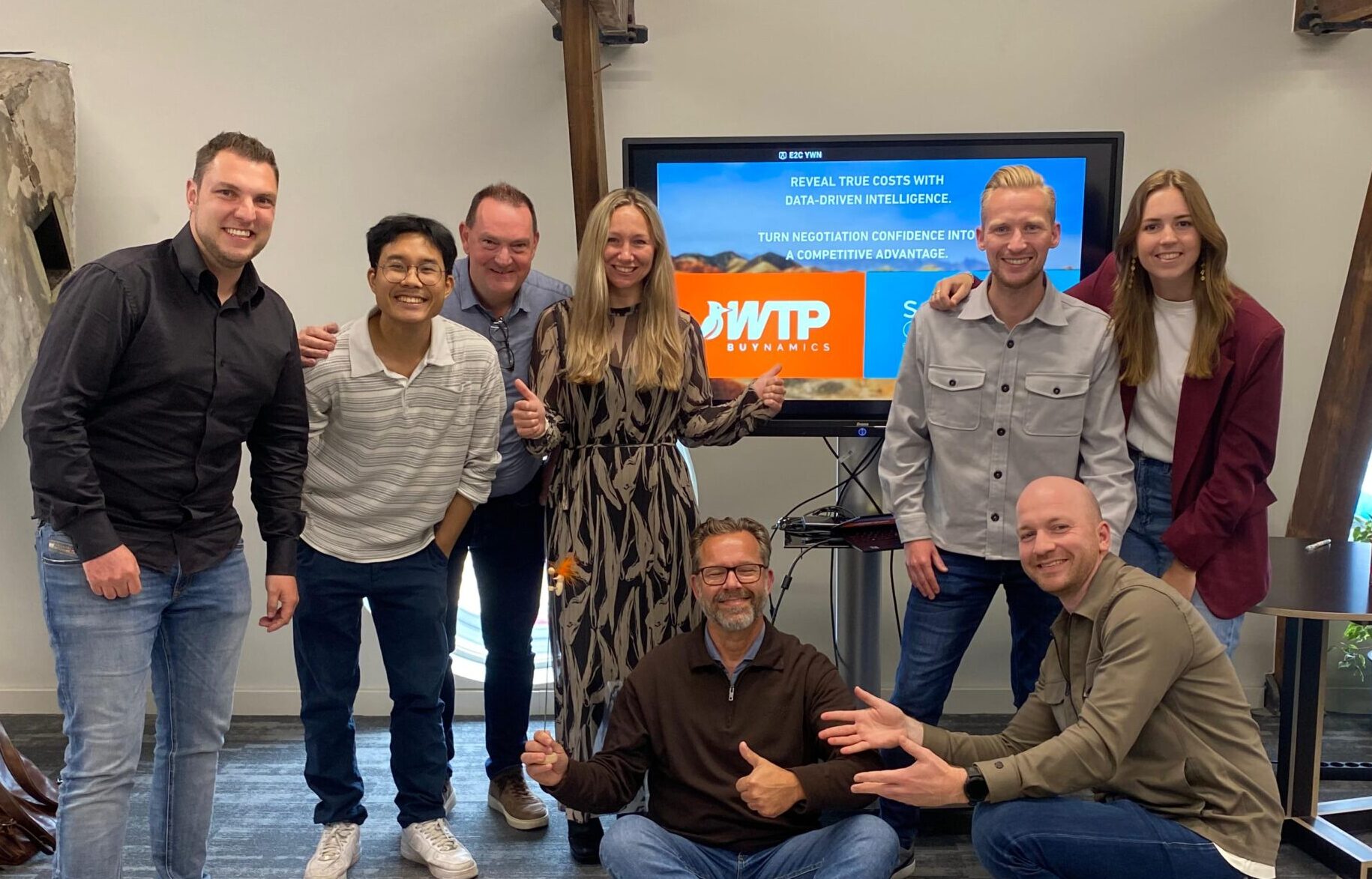
Sabrina Hueren, Senior Manager – Strategy Consultant at Sourcing Champions, set out to demonstrate both the “why” and the “how” of category strategy in the age of AI through her workshop, “Category Strategy in the Age of AI.” The session was held in collaboration with our partner WTP Buynamics as part of their Sourcing & Negotiation Techniques workshop.
Category Strategy in 2026
Category strategy can be defined as a structured approach to managing a category based on business needs, market dynamics, supplier capabilities, risk exposure, and value creation opportunities. Unlike tactical buying, category strategy is long-term in direction, continuous in nature, and focused on total value rather than price alone. It provides a more comprehensive approach that is better suited to today’s disruptive and rapidly changing environment.
The advancement of AI presents significant opportunities for category managers to process and interpret the vast amount of unstructured information required for market analysis. AI can also support the formulation of strategic decisions by identifying relevant strategic levers and potential value opportunities. However, these capabilities should complement human expertise, particularly when applied within structured methodologies such as the 15M Strategic Procurement Transformation Framework.
15M Strategic Procurement Transformation Framework: Takes on Category Strategy
Developed by Gerhard Heß at Technical University of Nuremberg Georg Simon Ohm, the 15M Strategic Procurement Transformation Framework integrates all key aspects of procurement into a practical and modular structure designed to support procurement excellence. Within the framework, Category Strategies (SP2) represent a core dimension of strategic procurement management.
The process begins with the Analyze and Segment Categories module (M05), where categories are defined and both internal and external analyses are conducted. This includes evaluating market structures, supplier landscapes, and cost structure developments using tools and methodologies such as risk heatmaps and PESTLE analysis.
The next step is the definition of Category Targets (M06). Here, procurement’s Value Contribution Targets and the overarching Procurement Framework Strategy establish the direction for the category strategy. These targets may include cost and value objectives, sustainability requirements, and risk-related goals.
Based on the outcomes of the previous analyses, the Analyze Levers module (M07) focuses on identifying and assessing strategic levers. This includes evaluating supplier portfolios, partnership opportunities, globalization versus localization approaches, supplier base optimization, and value-management opportunities. Risk and sustainability considerations are embedded throughout the lever evaluation process.
Finally, in the Formulate Category Strategy module (M08), procurement translates insights from M05–M07 into a clear strategic direction. This involves defining concrete measures, initiatives, and KPIs to operationalize and monitor the category strategy effectively.
Human Role Remains Important
As AI becomes increasingly integrated into the work of category managers, human expertise remains essential. Category managers bring first-hand experience, business context, and decision-making judgment that AI alone cannot replicate.
To fully leverage AI, it is important to use effective prompting techniques, asking sharp, targeted questions that generate relevant and actionable insights. Prompts should also be grounded in actual data and organizational context to minimize inaccuracies and improve the reliability of outputs.
At the same time, AI-generated insights should not be accepted at face value. Category managers must critically assess and validate the signals produced by AI against both internal and external factors affecting the organization. This includes evaluating the relevance of the insights to the company’s operations, testing the realism and feasibility of recommendations, and asking critical questions such as:
- Does this align with our operational reality and business priorities?
- Are the assumptions behind the recommendation accurate and up to date?
- Is the proposed strategy feasible within our supplier and market environment?
- What risks, trade-offs, or unintended consequences could emerge from this approach?
Ultimately, AI should be seen as an enabler of stronger strategic decision-making, while human expertise remains central in interpreting, validating, and translating insights into effective category strategies.
Conclusion
In today’s increasingly volatile procurement landscape, category strategy is essential. While AI can enhance market analysis and support strategic decision-making, its true value lies in complementing human expertise, business understanding, and structured methodologies.
This is also where the partnership between Sourcing Champions and WTP Buynamics creates value. By combining strategic procurement expertise with advanced cost intelligence capabilities, the partnership helps organizations make more informed, data-driven sourcing decisions with greater confidence and agility.
Ultimately, the future of category management lies in balancing technology with human insight to build procurement strategies that are resilient, sustainable, and value-driven.